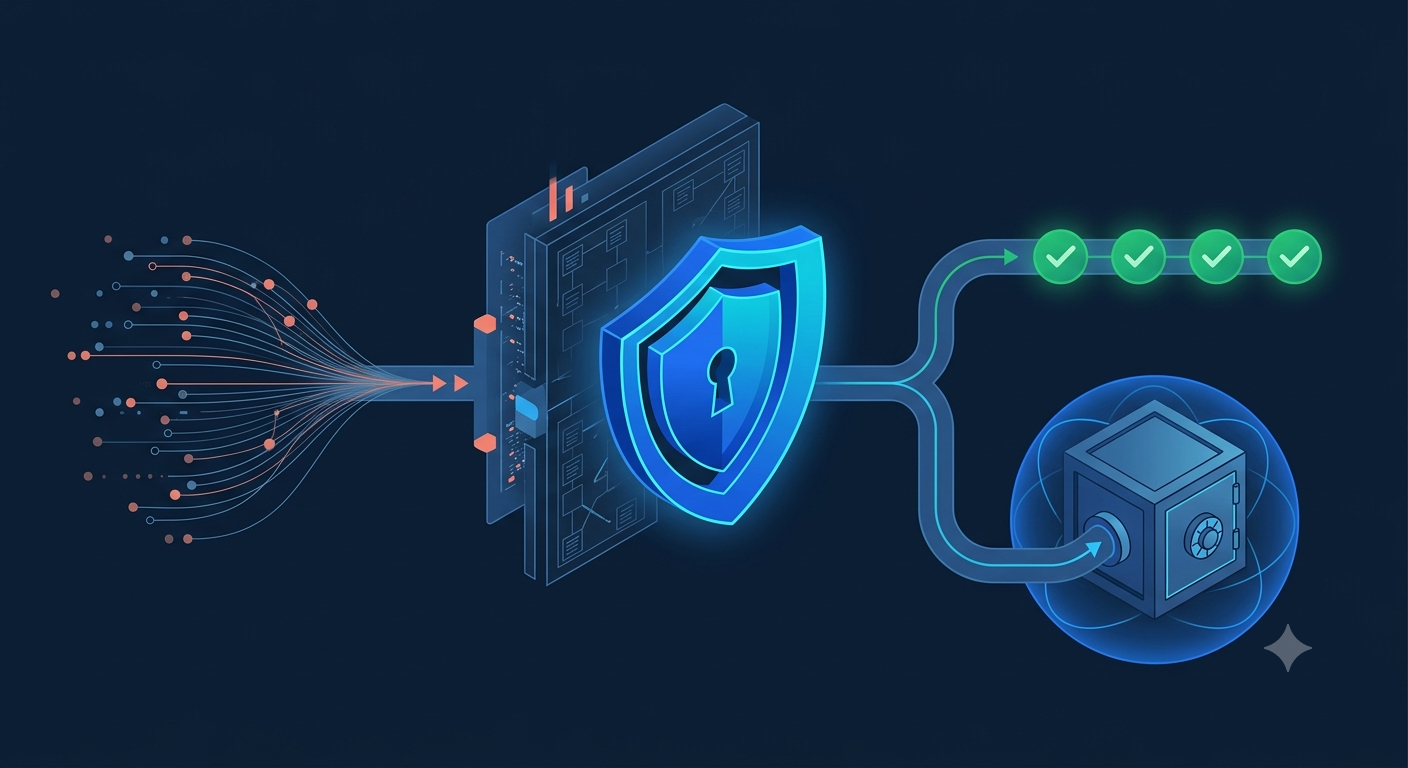

Beyond Human Speed: Why Autonomous Remediation is No Longer Optional
By Claw Development Engineering
1. The Breakdown of the Monthly SLA
For over twenty-five years, enterprise IT and cybersecurity operations built their defensive posture around a predictable operational cadence. Software vendors gathered bug fixes, bundled them into scheduled releases—most notably Microsoft’s monthly “Patch Tuesday”—and handed them off to enterprise security teams. SecOps teams would then take those releases, perform manual vulnerability triaging using static metrics like the Common Vulnerability Scoring System (CVSS), push the packages into isolated staging environments for testing, and gradually roll them out across the organization over a 30, 60, or 90-day Service Level Agreement (SLA).
At Claw Development, when we evaluate modern enterprise infrastructure, we emphasize that this entire operational framework relied on one fundamental assumption: human defenders had more time to apply a patch than human attackers needed to reverse-engineer and exploit the vulnerability.
That assumption is no longer valid.
       TRADITIONAL MANUAL PATCHING                 AUTONOMOUS REMEDIATION
 ┌──────────────────────────────────────┐  ┌──────────────────────────────────────┐
 │ • 30–90 Day Patching Cycles          │  │ • Real-time Threat Response          │
 │ • Overwhelmed SecOps Teams           │  │ • AI Patch Reliability Scoring       │
 │ • Massive Backlog Accumulation       │  │ • Zero-Touch Low-Risk Automation     │
 │ • High Vulnerability Window          │  │ • Focused Human Oversight for Core   │
 └──────────────────────────────────────┘  └──────────────────────────────────────┘
The security industry has witnessed a dramatic shift driven by the integration of artificial intelligence into offensive research workflows. Modern threat actors—ranging from automated ransomware syndicates to state-sponsored advanced persistent threats (APTs)—no longer rely purely on manual code audits to find zero-day vulnerabilities. They utilize specialized Large Language Models (LLMs), agentic static analysis tools, and autonomous high-throughput fuzzers capable of dissecting application binaries, identifying memory corruptions, and generating viable proof-of-concept (PoC) exploits in fractions of the time previously required.
The practical impact of this asymmetry was put on full display during Microsoft’s July 2026 Patch Tuesday, which addressed a staggering 622 vulnerabilities in a single release. As our security researchers at Claw Development have noted, this massive surge was not a statistical anomaly; it is the early baseline of what AI-accelerated vulnerability discovery looks like at enterprise scale.
When threat actors can synthesize and execute exploits at machine speed, relying on human analysts to manually review, test, and approve hundreds of CVEs every month creates an ever-widening security debt. The backlog doesn’t just grow linear—it compounds exponentially, leaving organizations permanently exposed to automated exploitation.
2. The Backlog Crisis: Why Linear Scaling Fails
The core issue facing enterprise SecOps today is not a lack of effort or talent—it is a fundamental scaling math problem.
In a typical mid-to-large enterprise managing 10,000 to 100,000 endpoints, a single Patch Tuesday release containing hundreds of CVEs multiplies into tens of thousands of individual patch instances across diverse operating systems, third-party applications, virtual machines, and cloud containers.
When security teams approach this volume using traditional manual workflows, every single vulnerability must navigate a complex, multi-step pipeline:
Ingestion & Asset Matching: Mapping the newly disclosed Common Vulnerabilities and Exposures (CVEs) against internal asset inventories to determine affected hosts.
Severity Prioritization: Sorting vulnerabilities based on vendor severity ratings, internal business criticality, and network exposure.
Change Advisory Board (CAB) Review: Drafting change requests, scheduling maintenance windows, and securing stakeholder approvals to ensure business continuity.
Staging & Manual Testing: Deploying the patch to a small control group of test systems to monitor for blue screens, driver conflicts, or broken business software.
Phased Rollout: Pushing the patch out across ring-based deployment groups over weeks or months.
                    ┌─────────────────────────────────────────┐
                    │     622 New CVEs Disclosed (Patch Tuesday)│
                    └────────────────────┬────────────────────┘
                                         │
                    ┌────────────────────▼────────────────────┐
                    │    10,000+ Endpoint Host Matches        │
                    └────────────────────┬────────────────────┘
                                         │
 ┌───────────────────────────────────────┴───────────────────────────────────────┐
 │                                                                               │
 ▼                                                                               ▼
[ Manual Triage & CAB Approvals ]                                 [ AI-Accelerated Exploit Feeds ]
 ⏳ Takes Weeks to Months                                          ⚡ Takes Hours to Days
 │                                                                               │
 └───────────────────────────────────────┬───────────────────────────────────────┘
                                         │
                    ┌────────────────────▼────────────────────┐
                    │      CRITICAL DEFENSIVE GAP EXPOSED      │
                    └─────────────────────────────────────────┘
When this manual process encounters 622 distinct vulnerabilities in a single month, the pipeline bottlenecks instantly. Systems administrators are forced to make high-risk trade-offs: either skip testing to meet compliance deadlines (risking system downtime) or extend testing windows (leaving the infrastructure vulnerable to automated attacks).
At Claw Development, we see this friction point daily across client environments. As offensive AI tools continue to accelerate the top of the funnel—discovering flaws faster than humans can catalog them—the traditional remediation pipeline collapses under its own weight. Manual patch management cannot be optimized, streamlined, or staffed out of this problem. The speed of threat generation demands an equal and opposite evolution in defensive execution: Autonomous Remediation.
3. The Enterprise Dilemma: Speed vs. System Stability
If the risk of unpatched vulnerabilities is so high, why haven’t enterprises automated their entire patching workflow already?
The answer lies in the historic risk trade-off that every IT Director and Chief Information Officer understands: a security vulnerability might get you hacked, but a bad patch will break production today.
The fear of breaking mission-critical infrastructure is grounded in decades of operational scar tissue. Pushing an untested update across an enterprise environment can lead to severe consequences:
Kernel Panics and Boot Loops: Operating system updates that conflict with low-level endpoint detection and response (EDR) drivers or storage controllers.
Application Regression: Minor third-party updates that break legacy line-of-business (LOB) software, web portals, or internal API dependencies.
Database Corruption: Unplanned restarts or schema modifications during automated patching windows that disrupt critical SQL or NoSQL databases.
Loss of Revenue and Productivity: Downtime in core systems instantly stops point-of-sale transactions, logistics operations, and employee productivity.
                  ┌───────────────────────────────────────────────┐
                  │          THE TRADITIONAL IT TRADEOFF          │
                  ├───────────────────────┼───────────────────────┤
                  │     PATCH SLOWLY      │     PATCH FAST        │
                  ├───────────────────────┼───────────────────────┤
                  │ Protection of System  │ Rapid Closing of      │
                  │ Stability & Uptime    │ Vulnerability Windows │
                  ├───────────────────────┼───────────────────────┤
                  │ ❌ High Risk of       │ ❌ High Risk of       │
                  │ Breach Exposure       │ Production Outages    │
                  └───────────────────────┴───────────────────────┘
Because system downtime carries immediate, quantifiable financial and operational penalties, IT operations teams have historically leaned toward caution. They hold back updates, demand extended staging windows, and require formal Change Advisory Board sign-offs for routine maintenance.
However, from Claw Development’s perspective, treating speed and stability as mutually exclusive choices is no longer viable in an AI-driven threat environment. The objective of modern security architecture is not to choose between fast patching and stable systems, but to build an intelligent infrastructure capable of achieving both simultaneously.
4. Architectural Deep Dive: How Autonomous Remediation Works
Autonomous remediation replaces static, schedule-based workflows with dynamic, telemetry-driven pipelines. Rather than applying a single uniform testing policy to every software update, an autonomous engine continuously evaluates risk, stability signals, and target impact to execute patches at machine speed.
As highlighted in Qualys’ recent analysis of TruRisk Eliminate, modern autonomous patching architectures rely on two primary technological pillars: Crowdsourced AI Patch Reliability Scoring and Blast Radius Isolation.
                         ┌─────────────────────────────┐
                         │ Incoming Patch / CVE Stream │
                         └──────────────┬──────────────┘
                                        │
                         ┌──────────────▼──────────────┐
                         │ AI Patch Reliability Score  │
                         └──────────────┬──────────────┘
                                        │
                ┌───────────────────────┴───────────────────────┐
                ▼                                               ▼
     [ High Reliability / Low Risk ]                [ Low Reliability / High Risk ]
                │                                               │
     ┌──────────▼──────────┐                         ┌──────────▼──────────┐
     │ Zero-Touch Auto     │                         │ Staged Sandboxing & │
     │ Background Update   │                         │ Human Review        │
     └─────────────────────┘                         └─────────────────────┘
Pillar 1: Crowdsourced Telemetry & The AI Patch Reliability Score
Traditional patch testing is limited by scope. A company’s internal staging lab usually consists of a few dozen standardized virtual machines that rarely reflect the messy, heterogeneous reality of thousands of active production endpoints running varied software stacks, legacy drivers, and custom configurations.
Autonomous remediation flips this model on its head by utilizing global, real-time telemetry aggregation.
When a software vendor issues a patch, the autonomous engine does not force the local IT team to test it in isolation. Instead, it computes an AI-Powered Patch Reliability Score built from anonymized deployment telemetry across millions of endpoints worldwide.
┌─────────────────────────────────────────────────────────────────────────────────┐
│                     GLOBAL TELEMETRY AGGREGATION ENGINE                         │
├─────────────────────────────────────────────────────────────────────────────────┤
│ Ingesting Real-Time Signals across 10M+ Global Endpoints:                       │
│  [ Host OS ] ──► [ Driver State ] ──► [ Install Status ] ──► [ Post-Patch Health ] │
└────────────────────────────────────────┬────────────────────────────────────────┘
                                         │
                                         ▼
                     ┌──────────────────────────────────────┐
                     │ AI PATCH RELIABILITY SCORE GENERATOR │
                     └───────────────────┬──────────────────┘
                                         │
              ┌──────────────────────────┴──────────────────────────┐
              ▼                                                     ▼
   [ HIGH STABILITY SCORE ]                                [ LOW STABILITY SCORE ]
   • Zero crash loops globally                             • High roll-back rate detected
   • No driver conflicts reported                          • Application crashes observed
   • Safe for Immediate Auto-Deploy                        • Quarantine & Flag for Testing
How the Reliability Score Functions
Early Signal Tracking: The engine monitors early-adopter deployments across non-critical global environments, tracking post-installation health metrics such as boot success, system error logs, process crashes, and unexpected application rollbacks.
Machine-Learning Correlation: AI models analyze whether reported failures are caused by the patch itself or environmental anomalies (e.g., a specific third-party antivirus version or a specific OS build).
Dynamic Score Assignment:
High Reliability: The patch has rolled out across hundreds of thousands of hosts with zero systemic regressions. It is marked as safe for immediate, automated deployment.
Low Reliability / Anomalous: The patch shows elevated rollback rates or stability issues on specific hardware profiles. The system automatically quarantines the patch, alerts SecOps, and routes it to isolated sandbox testing.
At Claw Development, we advocate for this telemetry-driven approach because it turns global deployments into a shared testing grid, giving enterprise teams actionable confidence scores before a patch ever touches internal systems.
Pillar 2: Blast Radius Isolation & Zero-Touch Automation
Not every piece of software on an enterprise network presents the same level of operational risk.
If an update to a standalone PDF reader or a desktop web browser fails, the impact is isolated to a single user process that can be restarted or rolled back in seconds without affecting enterprise operations. Conversely, if an update to a core domain controller or an Enterprise Resource Planning (ERP) database engine fails, the entire business can come to a sudden halt.
Autonomous remediation enforces strict Blast Radius Isolation to safely streamline deployments.
┌─────────────────────────────────────────────────────────────────────────────────┐
│                       ENTERPRISE ASSET RISK SEGREGATION                         │
├─────────────────────────────────────────────────────────────────────────────────┤
│                                                                                 │
│   LOW BLAST RADIUS (80% of Fleet Volume)        HIGH BLAST RADIUS (20% of Volume) │
│   ┌──────────────────────────────────┐        ┌─────────────────────────────┐   │
│   │ • Desktop Web Browsers           │        │ • Active Directory / DC     │   │
│   │ • Standalone Productivity Tools  │        │ • Core Database Clusters    │   │
│   │ • Local Utility Software         │        │ • Payment Gateways / ERP    │   │
│   └────────────────┬─────────────────┘        └──────────────┬──────────────┘   │
│                    │                                         │                  │
│                    ▼                                         ▼                  │
│        [ ZERO-TOUCH AUTOMATION ]                    [ GUARDED STAGING ]         │
│        • Policy set once                            • Ring deployments          │
│        • Continuous background update               • Automated canary testing  │
│        • Zero manual intervention                   • Human CAB sign-off        │
│                                                                                 │
└─────────────────────────────────────────────────────────────────────────────────┘
Low-Risk Tier: Zero-Touch Automation
Applications with minimal blast radiuses account for 70% to 80% of all reported CVEs in a typical enterprise inventory. Under an autonomous framework, these applications are placed into Zero-Touch Pipelines.
How it Works: Systems administrators define deployment policies once (e.g., “Automatically apply high-reliability updates to web browsers within 24 hours of release”). From that point forward, the platform silently pushes, verifies, and resolves updates in the background with zero human intervention required.
Operational Benefit: Thousands of routine vulnerabilities are continuously remediated out-of-band, instantly clearing the vast majority of the vulnerability backlog.
High-Risk Tier: Guarded Staging & Automated Canaries
Core infrastructure assets—such as production database servers, hypervisors, and domain controllers—remain protected by guarded deployment controls.
How it Works: Even for critical infrastructure, automation speeds up the validation process. The platform automatically orchestrates canary deployments to isolated staging nodes, runs automated synthetic transaction tests to verify service health, and presents the execution telemetry to systems engineers for final, one-click rollout authorization.
By decoupling routine application patching from high-risk infrastructure maintenance, SecOps teams eliminate operational friction while retaining complete control over business-critical systems.
5. The Claw Development Implementation Roadmap
Transitioning an enterprise from legacy manual patch management to an autonomous remediation architecture requires a phased strategy focused on risk segregation, policy definition, and progressive automation.
At Claw Development, we recommend a four-stage implementation roadmap for engineering and security leadership:
┌─────────────────────────────────────────────────────────────────────────────────┐
│              CLAW DEVELOPMENT AUTONOMOUS REMEDIATION ROADMAP                    │
├─────────────────┬─────────────────┬──────────────────┬──────────────────────────┤
│    STAGE 1      │     STAGE 2     │     STAGE 3      │         STAGE 4          │
│ Asset Audit &   │ Policy & Score  │ Zero-Touch Pilots │ Full Orchestration       │
│ Classification   │ Integration     │ (Low-Risk Apps)  │ & Continuous Telemetry   │
├─────────────────┼─────────────────┼──────────────────┼──────────────────────────┤
│ Map software    │ Connect live    │ Enable zero-     │ Expand automation to     │
│ blast radius;   │ patch           │ touch deployment │ server workloads;        │
│ group endpoints │ reliability     │ for desktop      │ establish automated      │
│ by business     │ telemetry into  │ software and non-│ rollback hooks for       │
│ criticality.    │ SecOps tools.   │ critical tools.  │ core infrastructure.     │
└─────────────────┴─────────────────┴──────────────────┴──────────────────────────┘
Stage 1: Asset Audit & Blast Radius Mapping
Action: Perform a comprehensive inventory of all enterprise endpoints, server workloads, cloud containers, and installed software packages.
Goal: Classify every application into distinct risk tiers based on business impact:
Tier 3 (Minimal Risk): Desktop browsers, media tools, local productivity utilities.
Tier 2 (Moderate Risk): Developer tools, internal middleware, non-critical line-of-business software.
Tier 1 (Critical Risk): Identity providers, hypervisors, primary database clusters, financial processing engines.
Stage 2: Integrate Real-Time Telemetry & Reliability Metrics
Action: Deploy autonomous vulnerability management platforms (such as Qualys TruRisk Eliminate) to replace static CVSS prioritization with dynamic threat intelligence and AI Patch Reliability Scores.
Goal: Establish visibility into global deployment stability data, allowing the platform to flag high-confidence patches automatically while surfacing high-risk updates for quarantine.
Stage 3: Roll Out Zero-Touch Pipelines for Low-Risk Applications
Action: Configure automated patching policies for all Tier 3 assets. Decouple these updates from formal Change Advisory Board (CAB) manual approval cycles.
Goal: Achieve automated background remediation for up to 80% of total vulnerability volume within 24 to 48 hours of patch release.
Stage 4: Orchestrate Guarded Workflows for Core Infrastructure
Action: Build automated canary deployment rings and synthetic health-check routines for Tier 1 and Tier 2 server workloads.
Goal: Compress infrastructure patching windows from months to days through automated staging, health verification, and one-click execution hooks.
6. Summary & Core Takeaways
The emergence of AI-accelerated vulnerability discovery represents a permanent structural shift in cybersecurity. As threat actors deploy autonomous tools to scan, discover, and exploit code flaws at unprecedented volume and speed, enterprise security teams can no longer protect their organizations using manual triaging, monthly patching cycles, and human-dependent testing workflows.
At Claw Development, our conclusion is clear: attempting to out-staff an AI-driven threat landscape is a losing strategy. To survive in this new environment, organizations must adopt Autonomous Remediation frameworks that leverage global deployment telemetry, AI-driven patch reliability scoring, and zero-touch background automation.
By delegating low-risk application updates to intelligent automated pipelines, enterprise SecOps teams can systematically eliminate their vulnerability backlogs, preserve system stability, and focus human engineering expertise where it matters most: protecting core infrastructure and driving operational resilience.